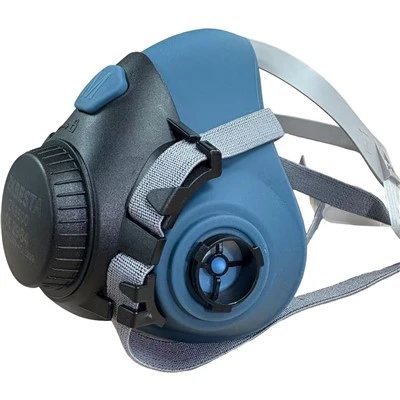
Electronic-manufacturing workshops generate a complex "chemical cocktail" of hazardous gases, chiefly from soldering fluxes, cleaning solvents, etchants and heated polymers.
- Acid Gases: HCl and SO₂ from flux activation and solder reflow; HCl peaks above 120 mg m⁻³ during pickling, 17× the OSHA ceiling .
- Ozone & NOₓ: Plasma cutters and UV-curing stations emit O₃ >1,000 µg m⁻³, 5× WHO limits, causing immediate airway irritation .
- Organic Solvents: Isopropanol, acetone, toluene, TCE from degreasing and solder flux; TCE is Category 1A carcinogen .
- Metal Fumes: Sn, Cu, Pb and Cr(VI) aerosols <1 µm; Cr(VI) recorded at 113 µg m⁻³ inside operator hoods, 113× OSHA 8-h TWA .
- Resin Vapours: Epoxy and PVC heat-releases include formaldehyde and HCl; PVC fumes contain dioxins when overheated .
- Inert Gases: N₂ and O₃ used in plasma cleaning can displace oxygen, creating asphyxiation risk in confined spaces .
These gases are typically colourless and odourless at occupational levels, making real-time PID monitoring and ABEK-P3 respiratory protection essential for worker safety .